How to Tell If Your Fuse Board Needs Upgrading
By Spartan Electrical & Security
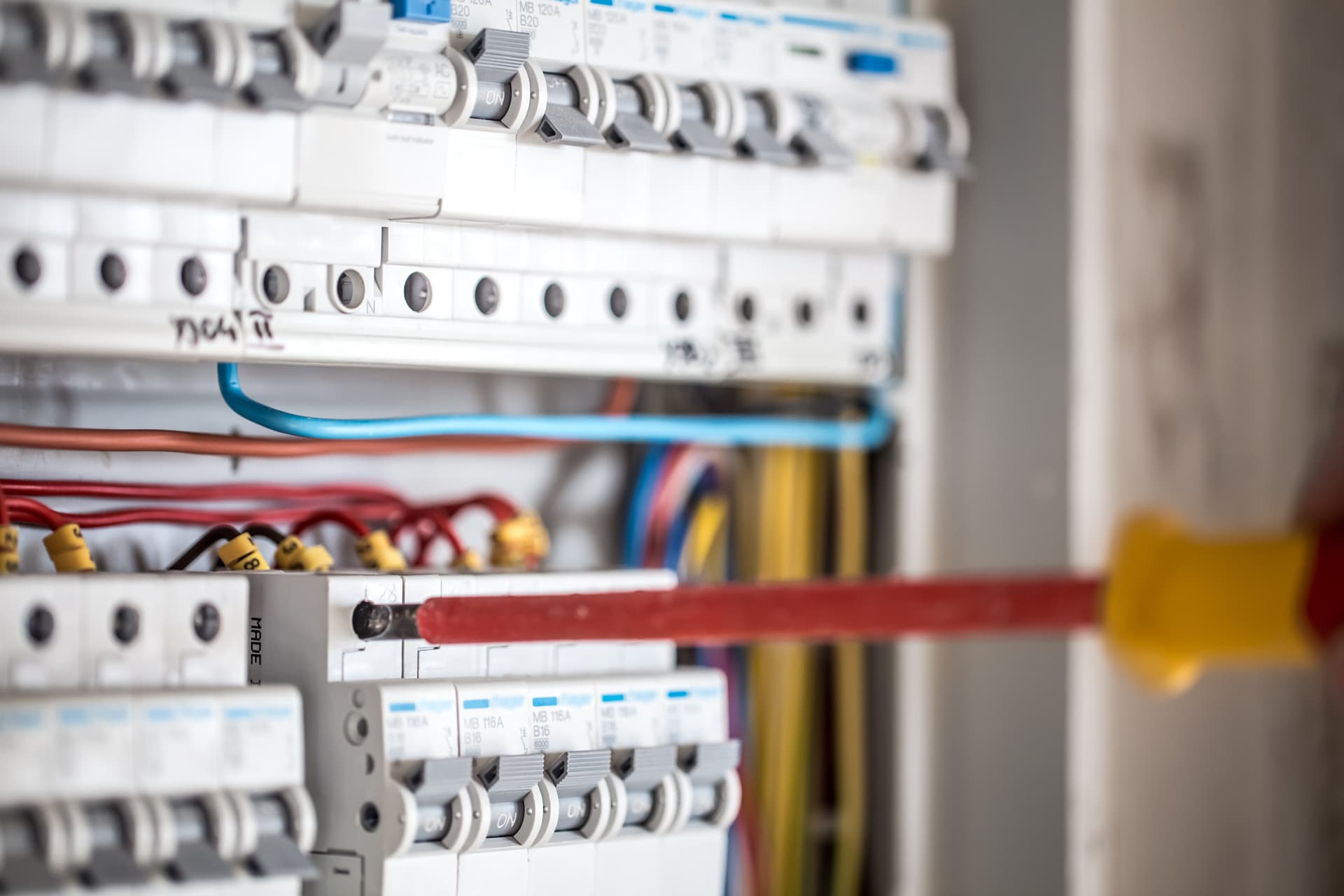
How to know if your fuse board needs upgrading
A fuse board upgrade is not decided by appearance alone. Two boards can look similar while offering very different levels of protection, depending on the circuits connected to them, the condition of the wiring and how the installation has changed over time.
You can carry out a few safe visual checks before contacting an electrician. The important point is knowing what those checks can tell you, and where they stop. You should never remove the consumer unit cover, touch internal components or attempt to test live electrical parts yourself.
If you need the basic service overview first, you can read more about our Fuseboard Upgrades.
Start with the type of fuse board
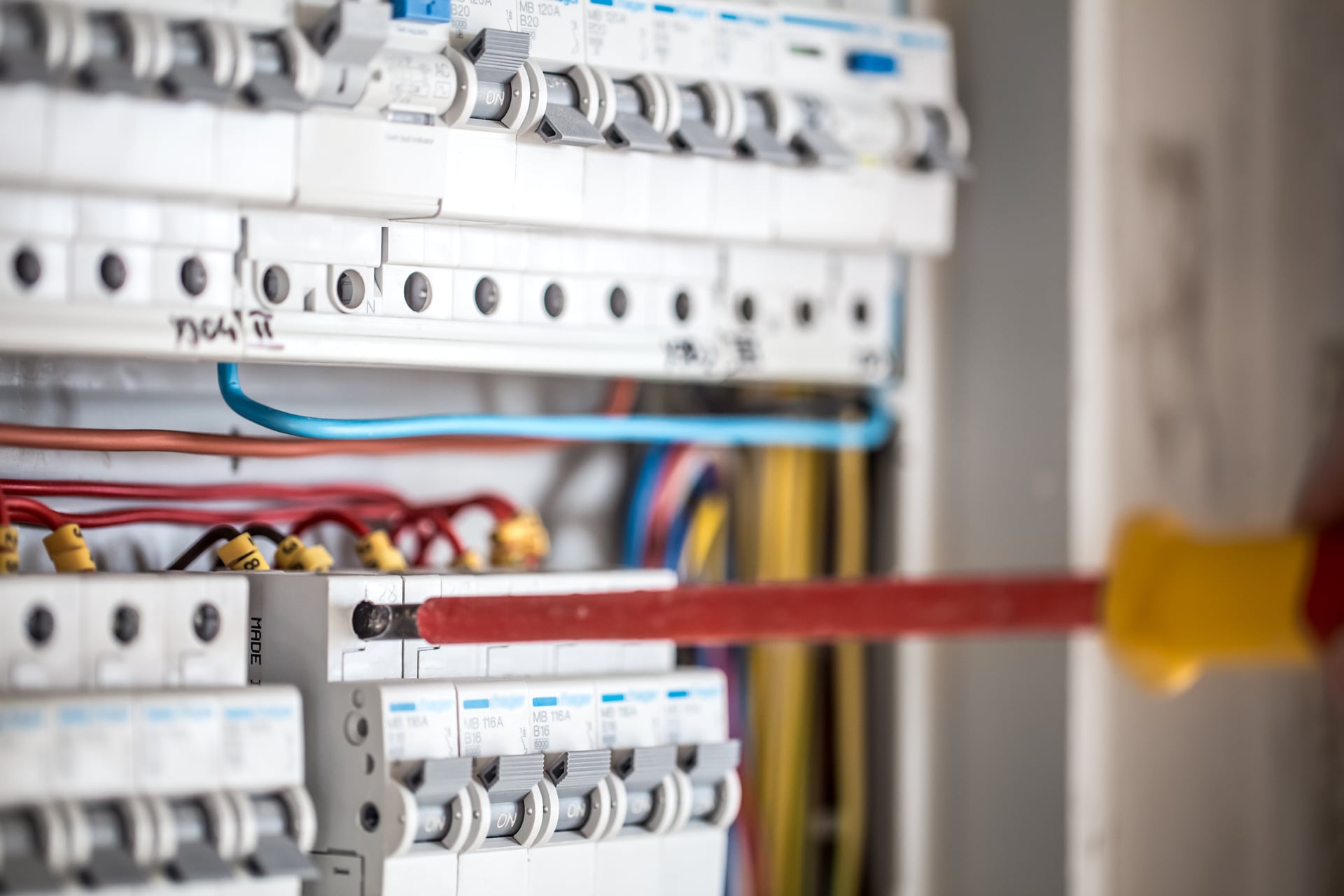
Look at the front of the board without removing any covers. Older installations may use rewirable fuses, sometimes called fuse wire carriers. These require fuse wire to be replaced after a fault and do not provide the same form of additional protection as a modern consumer unit with an RCD (a safety device that cuts power when it detects a problem).
A more modern board may have switches labelled for individual circuits, such as sockets, lights, cooker or shower. You may also see one or more test buttons marked “T” or “Test”. The presence of a test button is a useful indication that RCD protection is installed, but it does not confirm that every circuit has the protection it needs or that the installation is otherwise safe.
Do not assume that a board is suitable simply because it has switches. The age and condition of the wiring, the arrangement of the circuits and any alterations made since the board was installed all matter.
Check the RCD test button safely
If your board has an RCD test button, pressing it is a reasonable user check. The protective device should operate and disconnect the circuits it controls. You may need to reset it afterwards, following the labels on the board.
If the test button does nothing, the device will not reset, or it operates repeatedly without an obvious reason, arrange an inspection. Do not keep resetting it to restore power. Repeated tripping can indicate a fault with an appliance, circuit or the protective device itself. The test button is not a substitute for electrical testing, but it can reveal that further investigation is needed.
Look for signs of heat, damage or poor condition
From outside the board, check for cracked plastic, loose sections, discolouration, scorch marks or a burning smell. A cover that feels unusually warm also needs attention. These signs can point to a loose connection, excessive load, damaged equipment or deterioration within the installation.
A single trip does not automatically mean the whole board needs replacing. However, a board that trips regularly, will not reset, or shows visible damage should not be treated as an inconvenience. The cause needs to be identified before deciding whether repair, circuit work or a complete upgrade is appropriate.
If you notice heat, smoke, sparks or a strong burning smell, keep clear of the equipment and seek urgent electrical advice. Do not remove the cover to investigate.
Check the labels against how your home is used
Look at whether the circuits are clearly labelled and whether the labels still match the property. This matters particularly where a home has had an extension, loft conversion, new shower, electric heating, additional sockets or other electrical work.
A board that was adequate for an older installation may no longer be the right arrangement after circuits have been added or altered. Missing labels can also make isolation more difficult during an emergency or future repair. If you cannot tell which switch controls a circuit, do not experiment by disconnecting equipment or opening the board. Note what you can see and ask an electrician to investigate.
Use paperwork and inspection findings as evidence
If an Electrical Installation Condition Report (EICR) or previous electrical inspection has identified defects, lack of RCD protection or concerns about the consumer unit, use that information rather than relying only on a visual check. The report should help identify whether the issue relates to the board itself, the wiring, the connection to earth or a particular circuit.
An upgrade may not resolve every defect automatically. A new consumer unit cannot make damaged wiring safe, correct overloaded circuits or remove a fault caused by an appliance. We assess the wider installation so the recommendation matches the actual problem rather than treating the board in isolation.
Know when your checks are complete
Your role is to observe, record and report. Take note of the board type, any visible damage, whether the RCD test operates and any circuits that trip repeatedly. Do not carry out electrical work, remove covers or replace fuse wire unless you are properly qualified and equipped to do so.
At Spartan Electrical & Security, we carry out fuseboard upgrade assessments for homeowners in Kilmarnock and across Ayrshire, including Ayr, Irvine, Troon and surrounding areas. As an NICEIC Approved business, we can examine the installation, explain what the findings mean and advise whether an upgrade is the appropriate next step. Contact us for a clear assessment based on your property, existing circuits and electrical requirements.