EV Charger Installation: a complete guide for Ayrshire homeowners
By Paul
EV charger installation: a complete guide for Ayrshire homeowners
Making the switch to an EV is one thing — charging it conveniently at home is another. This guide explains what Ayrshire homeowners need to know about EV charger installation: from the site survey and electrical checks to certification and aftercare. If you own a cottage in Kilmarnock, a semi in Irvine or a modern townhouse in Prestwick, the same planning and compliance rules apply.
Why install a dedicated home charger?
- Faster, safer and more economical charging than relying on a standard three-pin plug.
- Integration with smart tariffs and load management to keep household supplies stable.
- Future-proofing your home if you plan to keep an EV long-term or sell the property in Ayrshire.
Step 1 — initial site survey and suitability
A competent electrician will inspect:
- Where the vehicle will park (driveway, garage, on-street/communal). Communal parking or tenements in Ayrshire often need landlord or council permission.
- Earthing arrangement (PME or TT) and how that affects protective devices.
- Distance from the consumer unit to the parking point — determines cable length and containment.
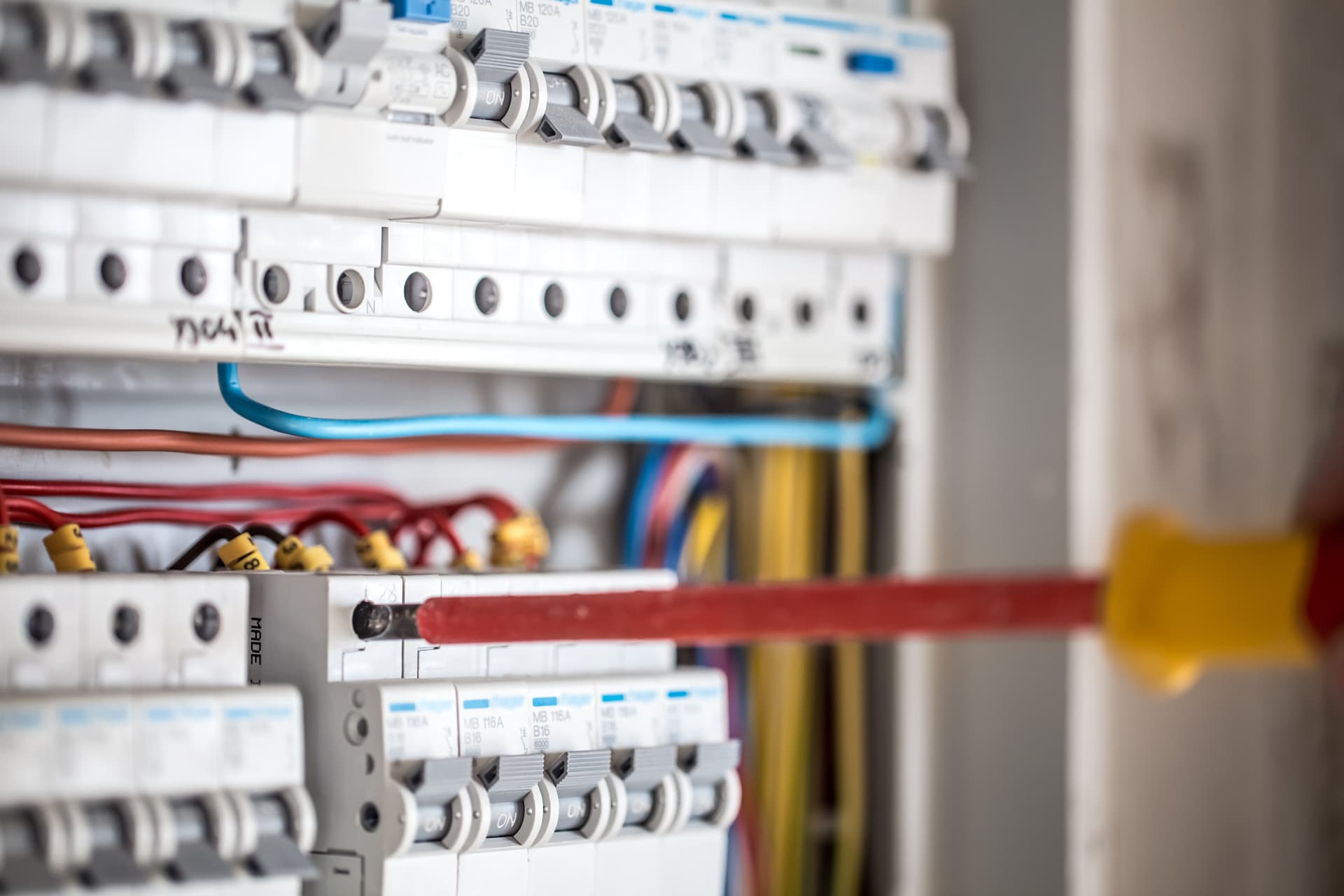
- Consumer unit condition and spare capacity for a dedicated circuit.
This survey determines whether you need a simple socket and charger, a consumer unit upgrade, or more extensive works like a distribution board extension.
Step 2 — choosing the right charger
Key decisions:
- Single-phase vs three-phase: most homes are single-phase. Three-phase is used where higher power or rapid charging is required.
- Power rating: typical home wallboxes offer 3.6kW, 7kW or above. Choose based on your off-peak tariff, daily mileage and future needs.
- Tethered vs untethered: tethered chargers have a fixed lead; untethered allow different cables for compatibility.
- Smart features: Wi‑Fi or app control, load balancing, scheduling and smart-home integration.
Pick a unit from a recognised brand with an IP rating suitable for Scottish weather and a secure mounting method for exposed drives.
Step 3 — electrical work and safety
A compliant install will include:
- A new dedicated circuit from the consumer unit with appropriate protective devices (RCD/RCBOs).
- Suitable cable size and containment, installed to BS 7671 standards.
- Correct earthing and bonding checks — EV chargers must meet protective requirements for PME or TT supplies.
- If the consumer unit lacks capacity you may need an upgrade or a distribution board extension.
Because Spartan Electrical & Security are NICEIC Approved and an Approved Certifier of Construction (ACC), Paul can self-certify the electrical work to Scottish building regulations where applicable, reducing council inspections and paperwork.
Step 4 — permissions, grants and landlord issues
- Private homes with off-street parking usually don’t need planning permission, but listed buildings, conservation areas or flats with communal parking may need landlord or council consent.
- Check government and local authority pages for any grants or incentives; these change over time.
- Landlords should check tenancy agreements and safety responsibilities before fitting chargers for tenants.
Step 5 — installation day and commissioning
On the day the installer will:
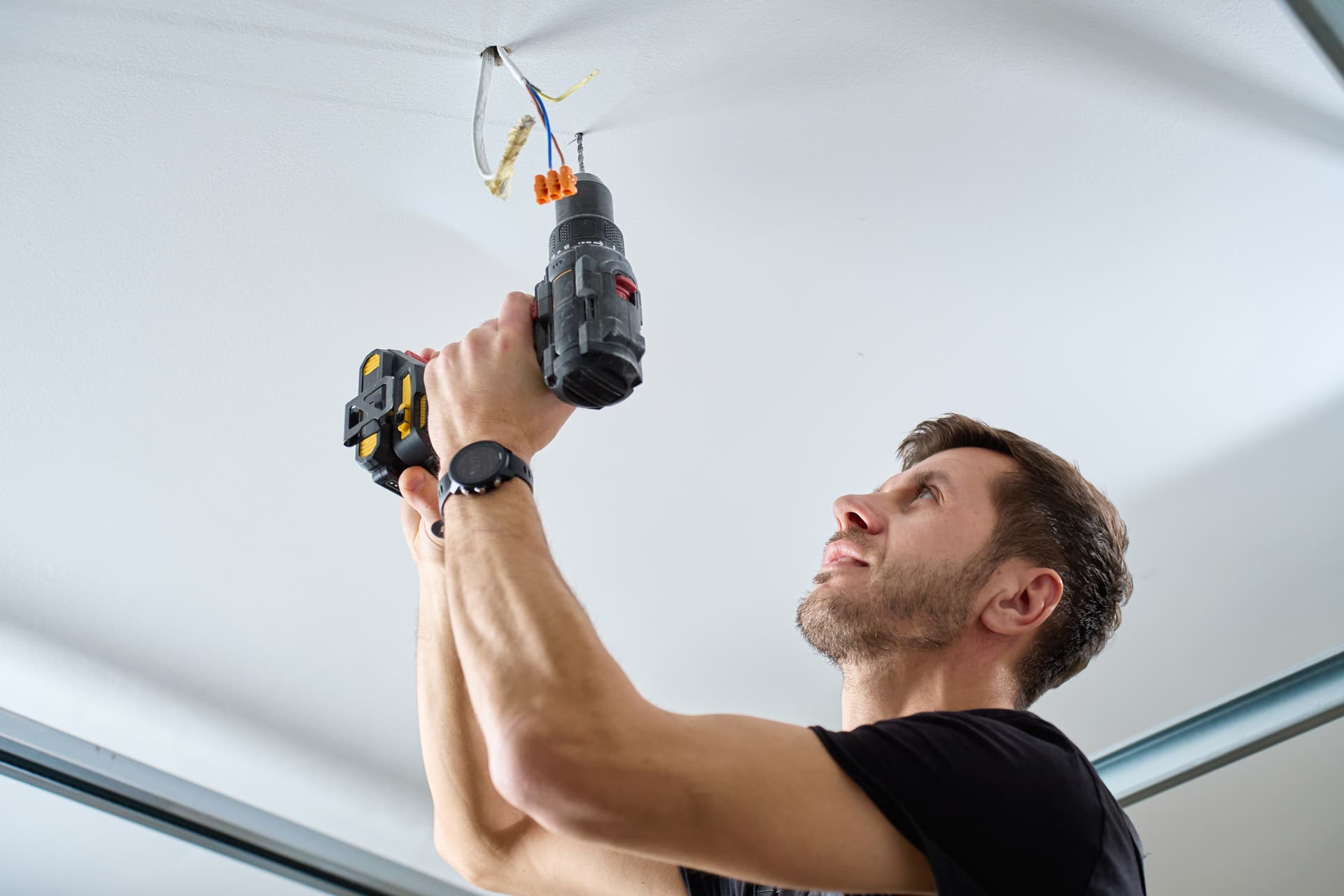
- Run cables, mount the unit and install protective devices.
- Test continuity, insulation resistance, earth loop impedance and RCD operation.
- Commission the charger and pair any smart features.
- Provide compliance documentation: electrical certificates, and ACC self-certification paperwork where applicable.
Keep the commissioning certificate and any manufacturer warranty documents in your home file.
Practical tips for Ayrshire homes
- If you park on-street, investigate communal charging solutions or work with your landlord/local council to plan infrastructure.
- For older Kilmarnock tenements, cable routing and communal fuse arrangements are usually the biggest challenges — allow time for landlord consent.
- Consider future-proofing: a slightly larger cable or a space in the consumer unit for another circuit can save upheaval later.
- Use smart scheduling to charge overnight when local demand and tariffs are lower.
Aftercare and maintenance
EV chargers require minimal maintenance but should be visually inspected regularly and tested after any electrical work or lightning strikes. Keep firmware updated on smart units and contact your installer for routine checks.
Ready to get a compliant, durable install in Ayrshire?
If you’d like a site survey in Kilmarnock, Ayr, Irvine or surrounding towns, call Paul at 01294 688863 or email spartanelectrics@hotmail.com. Spartan Electrical & Security are NICEIC Approved and ACC‑qualified — we focus on safe, regulation‑compliant EV charger installations and clear paperwork for home and landlord clients across Ayrshire.