What affects the cost of a commercial electrician? Key factors for Ayrshire homeowners
By Paul
What affects the cost of a commercial electrician? Key factors for Ayrshire homeowners
If you're a homeowner in Ayrshire converting a garage, running a ground‑floor shop, or letting a flat, you may need a commercial electrician rather than a domestic one. Knowing what drives the cost helps you get accurate quotes and avoids surprises. This guide explains the main factors, practical steps you can take, and the questions to ask when hiring a commercial electrician in Kilmarnock, Ayr and surrounding towns.
1. Scope and complexity of the work
The single biggest driver of cost is what you need done. Simple tasks such as installing a supply for a small plug socket or replacing a single light circuit are very different from installing a three‑phase supply, distributing power to multiple commercial units or wiring a ground‑floor shop with security lighting and emergency circuits.
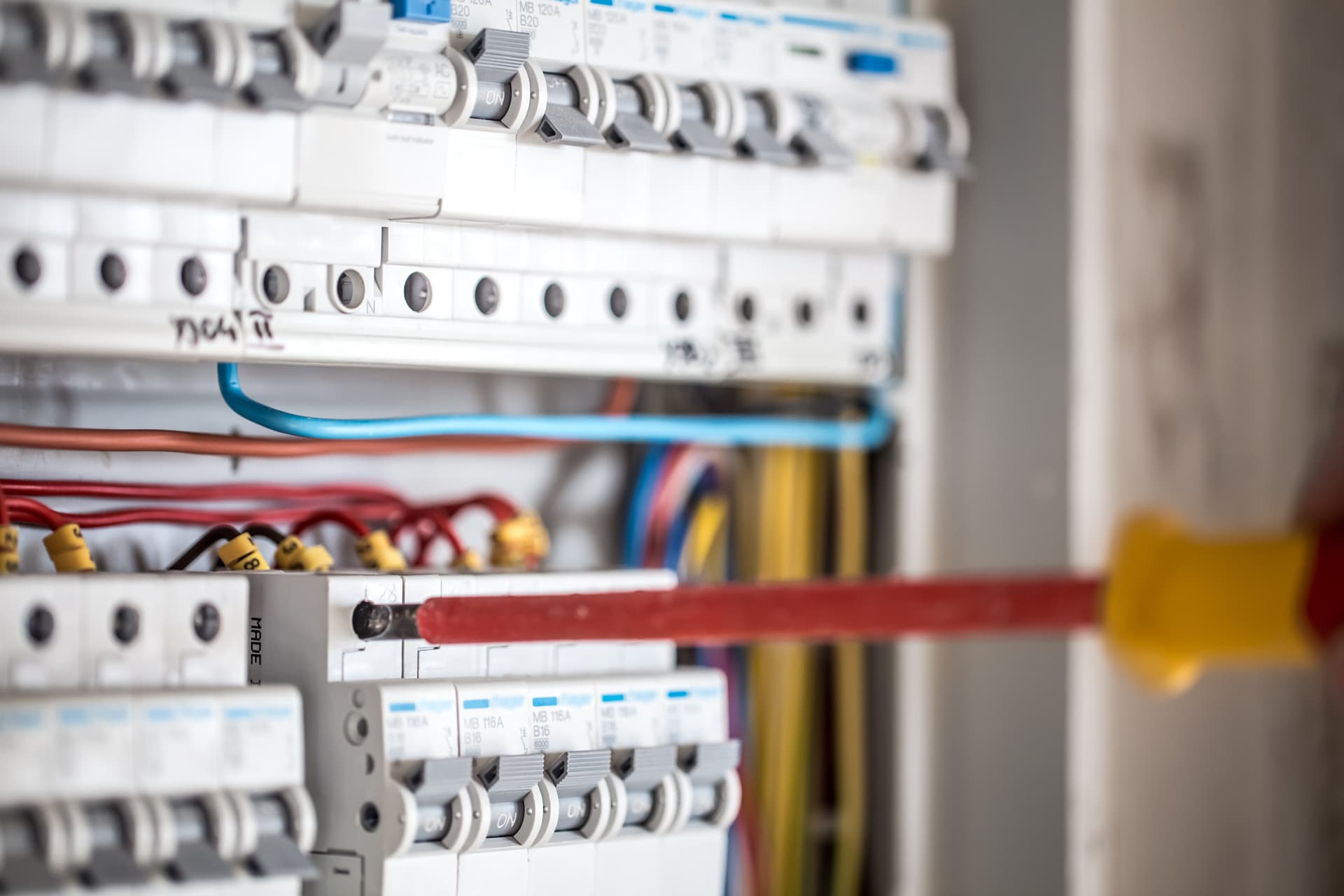
Trade terms to watch for: consumer unit upgrade, distribution board, three‑phase installation, circuit segregation, RCD and RCBO protection, containment and trunking.
2. Existing wiring and property type
Older Ayrshire properties — sandstone terraces, Victorian villas and converted tenement flats — often have outdated wiring, insufficient earthing arrangements or limited access to distribution routes. Upgrading a historic installation to current standards can be more labour‑intensive than fitting new wiring in a modern cavity‑walled unit.
Ask the electrician to check existing documentation (previous EICR, plans) during the survey. If the installation requires rewiring, bonding improvements or new earthing, that will increase time and materials.
3. Regulatory and certification requirements
Commercial work commonly requires testing, certification and sometimes a building warrant. Using a contractor with Approved Certifier of Construction (ACC) status — such as Spartan Electrical & Security — can reduce delays because they can self‑certify electrical work to Scottish building regulations. Compliance testing (EICR) and issuing certificates are essential and should be included in quotes.
4. Materials, equipment and specified products
Costs vary by the quality and type of materials specified: consumer units with RCBO protection, metal containment and branded switchgear cost more than basic alternatives but offer greater longevity and safety. Specialist equipment — fire alarm interfaces, emergency lighting, metering or integrated EV charging controllers — will carry their own supply costs.
5. Labour, access and site constraints
Labour is affected by working height, confined access, night shifts or weekend work. If an electrician must gain access through a shop floor, lift heavy equipment, or work around business opening hours, the time taken to complete the job increases. Clear access, parking and pre‑arranged site contacts reduce labour time.
6. Specialist services and testing
Commercial installations often need additional services: PAT testing, emergency lighting commissioning, fire alarm interface, load management for EV chargers or harmonic suppression for three‑phase motors. Each specialist task requires specific testing, commissioning and documentation.
7. Travel, locality and onsite visits
Local contractors covering Ayrshire, Kilmarnock, Prestwick, Ayr and Irvine will charge differently for remote sites or isolated outlying jobs. Multiple site visits for phased works increase total cost, so grouping work or preparing the site can reduce repeat visits.
Practical steps for homeowners to reduce surprises
- Arrange a full site survey: provide plans, previous EICR reports and explain how the space will be used.
- Make access easy: clear corridors, provide parking and agree working hours in advance.
- Decide on finish and product quality: standard vs premium switchgear, surface vs concealed containment.
- Co‑ordinate trades: where trunking or core‑drilling is needed, schedule builders/plasterers to avoid repetitive access charges.
What to ask for in a quote
- A clear scope: circuits, protective devices, containment, testing and certification.
- Which certificates are included: EICR, commissioning certificates, and whether the contractor can self‑certify under Scottish regulations (ACC).
- Lead time and expected start/completion dates.
- Warranty and aftercare: guarantee periods for labour and parts.
- Insurance and accreditations: public liability, NICEIC Approval, ACC status.
Red flags to avoid
- Vague quotes without a breakdown of labour, materials and testing.
- Pressure to accept work immediately without a survey.
- Contractors unwilling to provide evidence of insurance, NICEIC approval or references.
Final checklist before you instruct
- Get a written quote and scope.
- Confirm certificates and who issues them (contractor self‑certification or council inspection).
- Agree a start date and access arrangements.
- Keep existing documentation handy (EICR, previous certificates, tenant details if a let property).
If you need help interpreting quotes or a competent commercial electrician in Ayrshire, call Paul at Spartan Electrical & Security on 01294 688863 or email spartanelectrics@hotmail.com. Spartan is NICEIC Approved and an Approved Certifier of Construction, providing compliant, documented installations across domestic and commercial projects in Kilmarnock, Ayr and the rest of Ayrshire.
Contact Spartan for a site survey and a fully itemised quote tailored to your property's needs.